
Selecting the Right Chimney for Your Kitchen
How to Select the Perfect Chimney for Your Kitchen
The kitchen island is a beautiful and practical component in the kitchen. It is used for three primary purposes that include cooking, dining, as well as storage. If you’re updated on the recent trends, then you realize that kitchen islands are the most sought-after feature of modern kitchen design. They are beautiful and extremely functional; they are somewhat costly. But, if you select wisely, you will be able to buy a kitchen island with the budget. Here are some tips that every homeowner should consider before deciding on this useful centrepiece for their kitchen, which is called an island!
Size Of The Kitchen
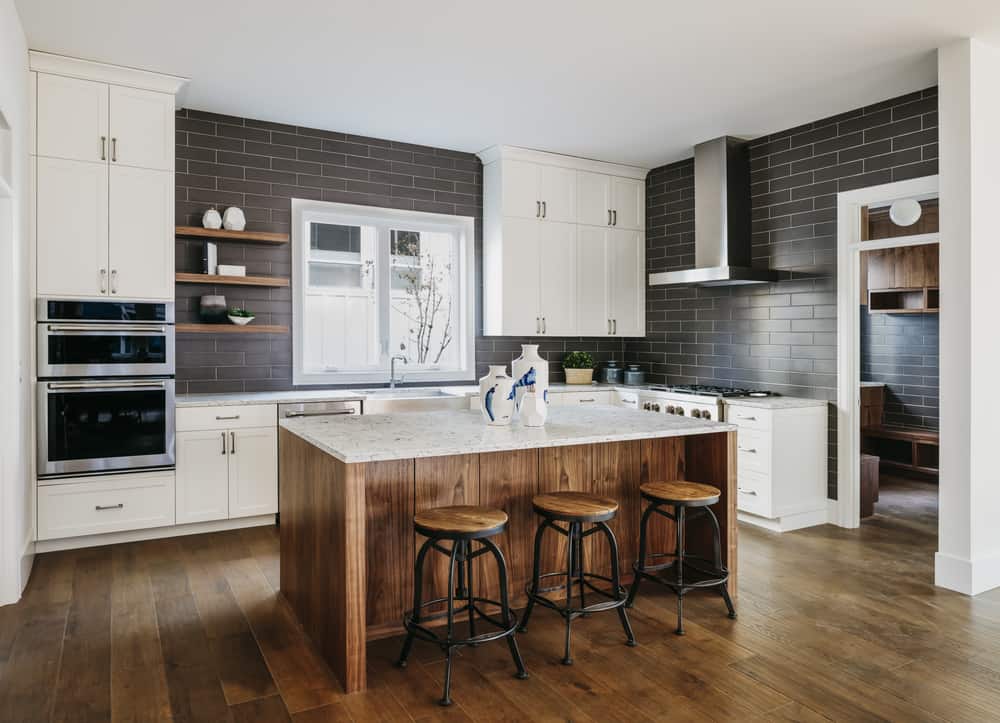
Take note of the measurements and dimensions of your kitchen. Also note the ventilation alternatives you have as well as your eating and cooking habits. Check the kitchen’s interior construction as well as its general layout to ensure that your final layout, dimensions and style of the kitchen chimney corresponds to your desires and ideas.
Kitchen Chimney Size

The size of your kitchen chimney is determined by the dimensions of the stove. The most common chimney sizes include 60 centimetres as well as 90 centimetres. If you own a two-burner stove or single burner stove, go to go with 60 centimetre size for your kitchen chimney. For a three-four burner stove, select a 90-centimetre size for your kitchen chimney.
Suction Power
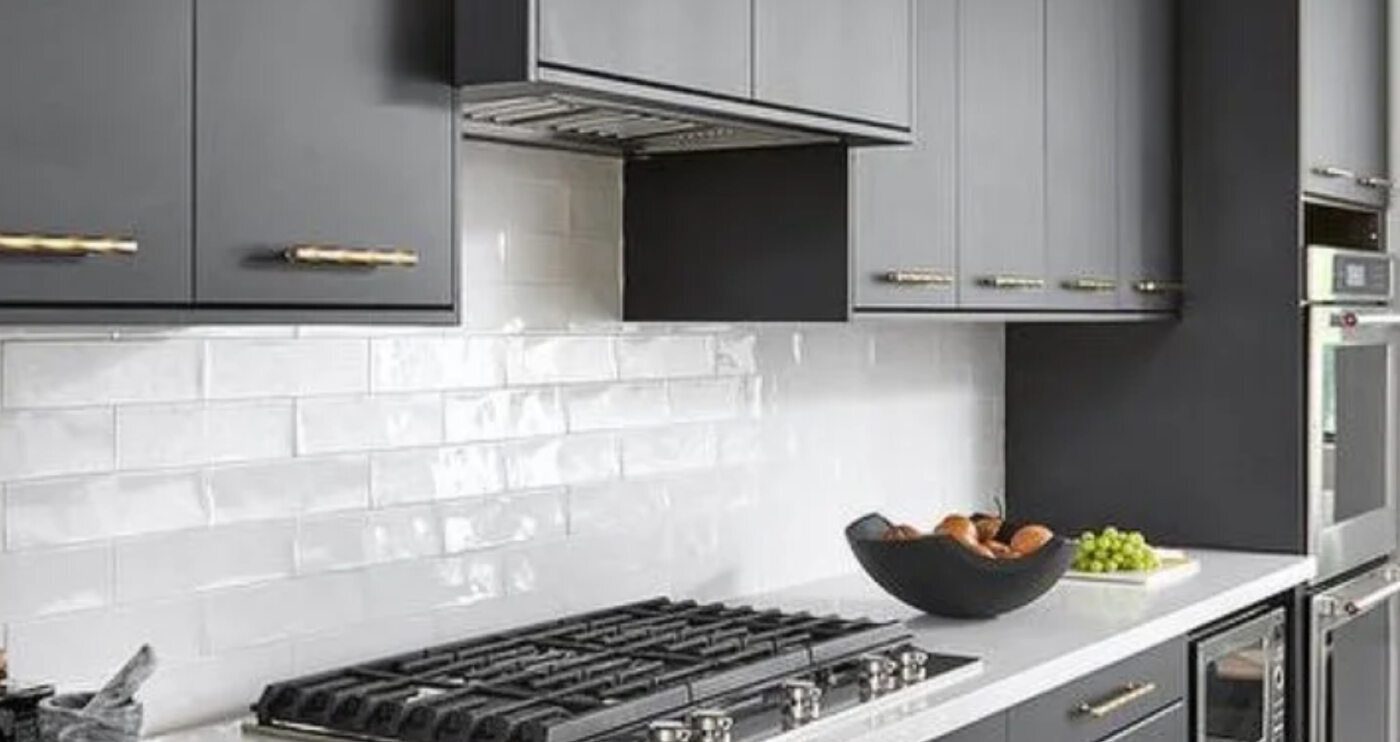
The chimney’s motor should be strong enough to effectively absorb any smell or fumes, as well as oil particles when cooking. The suction strength of a chimney can be measured in cubic metres per hour. It should be between 450 and 95 m3/hr, based on the kitchen’s size as well as the length of your ducts.
Chimney Filter Types
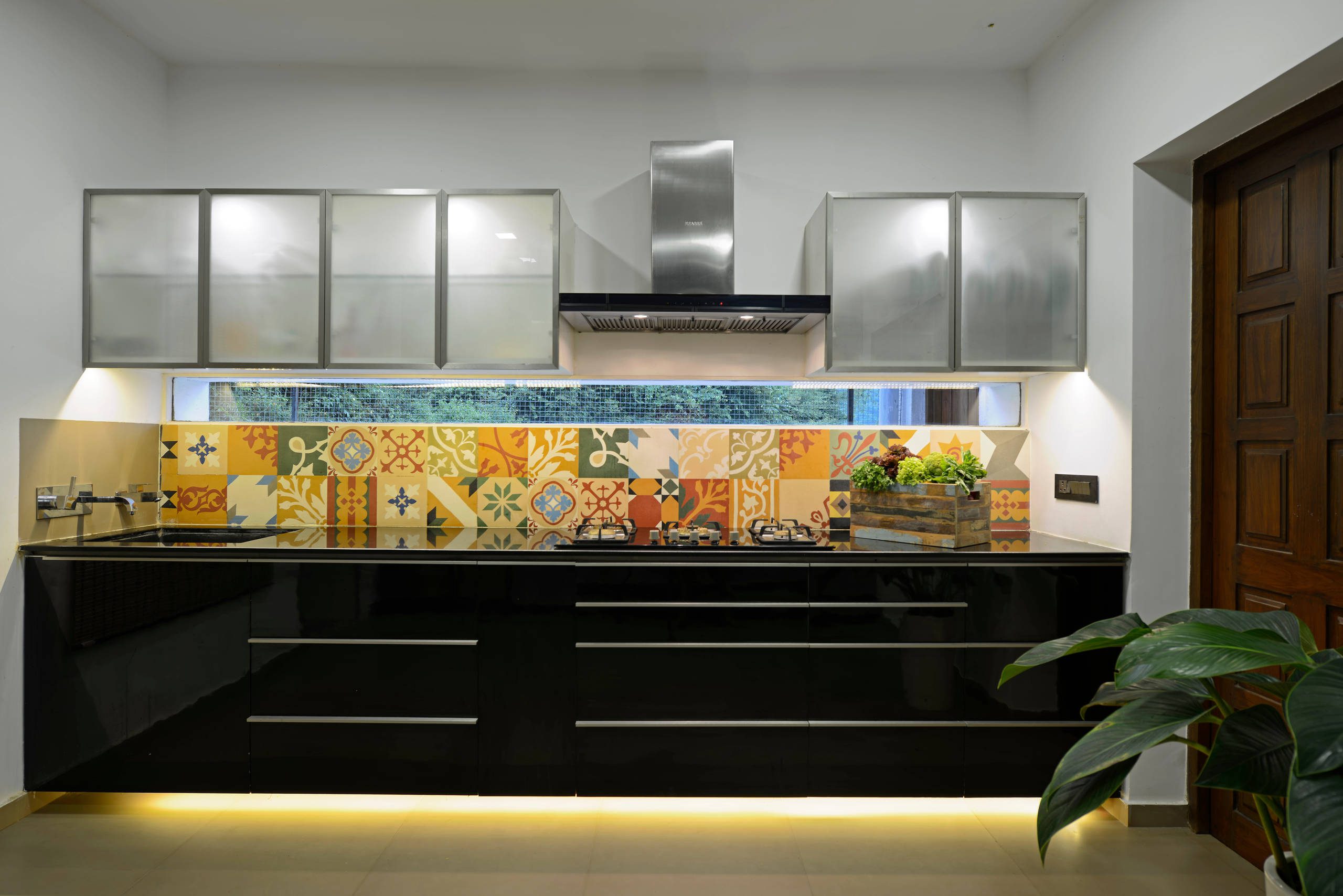
Make sure that the filter in the chimney is functioning properly to efficiently soak up all oil and heat that is generated at every step of handling air. There are three chimney filter types: carbon filter, baffle filter, and cassette filter.
Modern chimneys feature filterless technology. An unfiltered chimney will require less care. These chimneys are fitted with oil collectors as well as the ability to clean them inbuilt. They are higher in cost however they will reduce the hassle of maintaining it.
There are many ways to personalize the look of your kitchen island to ensure you can tailor it to your own personal preferences. Here are some suggestions that are popular:
Duct Installation
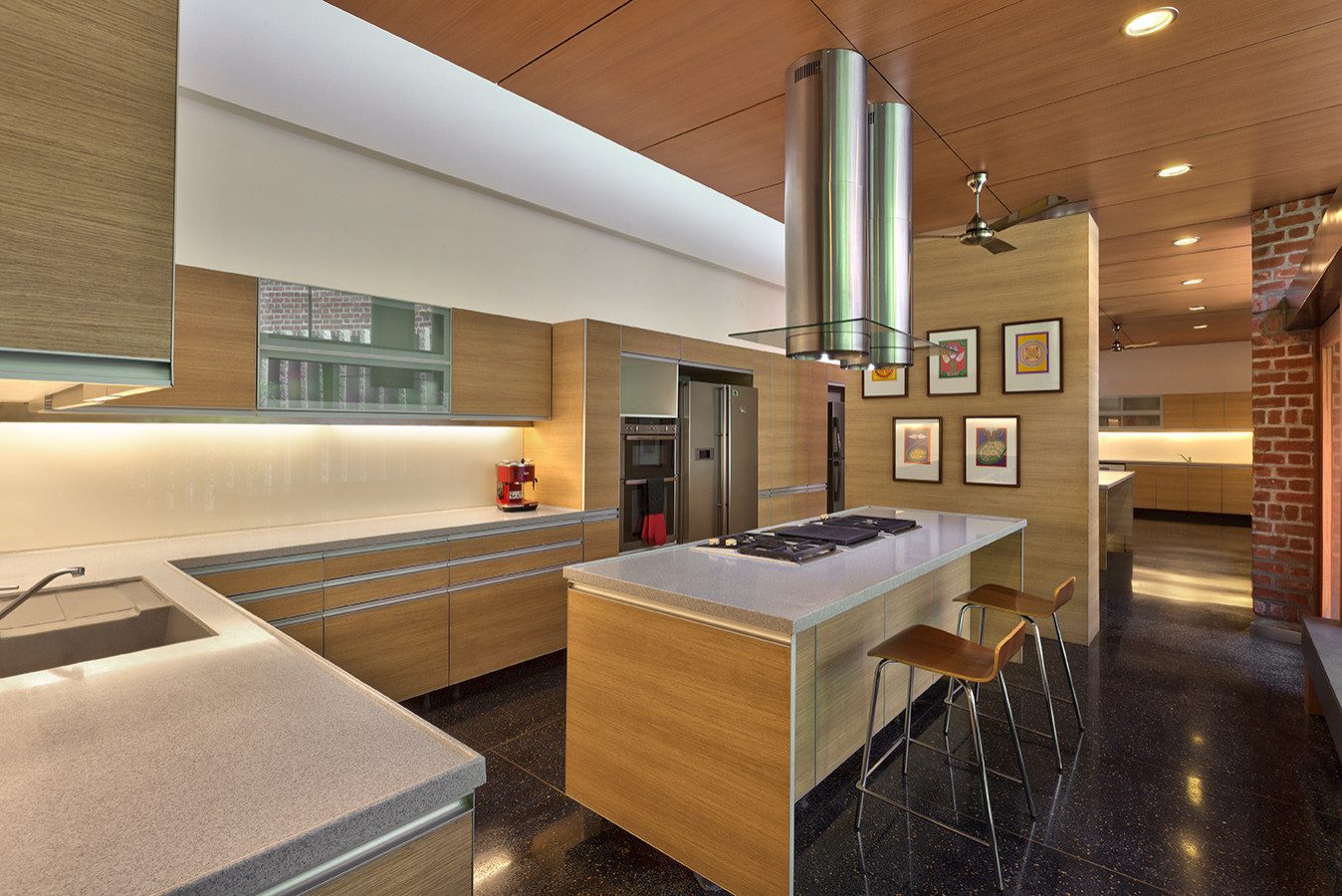
Ducts are passages which eliminate smoke and provide fresh air. They aid in the cooling and ventilation of air. There are two types: Ducting (Extracting) Filter and Ductless (Recycling) Filter.
Maintenance
Make sure to choose one that is low-maintenance and put it in the lower end of 3.5 feet to four feet for a simpler cleaning.
Type Of Chimney Designs
Based on the location it will be positioned to
Box Type | Straight-Line | Angular | Curved Glass | Pyramid
Form and alignment
Ceiling-Mounted | Corner-Mounted | Island | Wall-Mounted | Downdraft | Built-In And Integrated
Functionality
Contemporary: Designer – Equal Focus on Design & Performance
Conventional: Traditional – More Focus on Performance Than Design
Conclusion
Get Free Design
FAQs
What are the main types of kitchen chimneys available?
There are several types of kitchen chimneys, including wall-mounted, island, built-in, and corner chimneys. The choice depends on your kitchen layout and the placement of your cooktop.
How do I choose the right suction power for my chimney?
The ideal suction power depends on your cooking style. For Indian cooking, which involves heavy frying and spices, chimneys with higher suction power (1200 m³/hr or above) are recommended. For lighter cooking, a lower suction power may suffice.
What types of filters are used in kitchen chimneys?
Kitchen chimneys use cassette filters, baffle filters, or carbon filters. Baffle filters are ideal for Indian kitchens as they handle oily residues effectively, while carbon filters are used to neutralize odors.
How often should a kitchen chimney be cleaned?
The cleaning frequency depends on the filter type and usage. Baffle filters should be cleaned every 2-3 weeks, while cassette filters require more frequent cleaning. Regular maintenance ensures optimal performance.
Are ducted or ductless chimneys better?
Ducted chimneys are ideal for heavy-duty cooking as they expel smoke and odors outside, while ductless chimneys are more flexible and recycle air using filters. The choice depends on your kitchen setup and ventilation needs.

About Author ramya pr
You May Also Like…

Everything You Need to Know About Living Room Decor
[social-share-display display="1731139091" force="true"]A Complete Guide to Living Room DecorYou're ready to make sure...

The Ultimate Guide to Stylish and Kid-Friendly Living Room Designs
[social-share-display display="1731139091" force="true"]The Ultimate Guide to Stylish and Kid-Friendly Living Room...

Ideas for Living Room Seating Arrangement
[social-share-display display="1731139091" force="true"]Everything You Need to Know About Living Room SeatingThe use...