
A Guide to Color Pairings for Kids’ Rooms
A Complete Guide to Kids’ Room Colour Schemes
As your kids get older, you children’s favourite colour shifts in the same way they alter their toys. This makes it quite difficult to design the bedroom of your children with a colour that passes the test of time as well as bright enough for them to be a place for studying or playing. Making a bedroom that’s ideal to sleep soundly and have having a great time depends upon the colours you pick. It all depends on the age of the children who will be using the space. It is possible to choose a bold palette of shades or calm pastels when you are dealing with toddlers or small youngsters. In contrast the older children may want to select the colours for their rooms themselves. Below is a list of colour combination that are ideal for kids’ bedrooms and can help you to make the right decision.
Blue And White
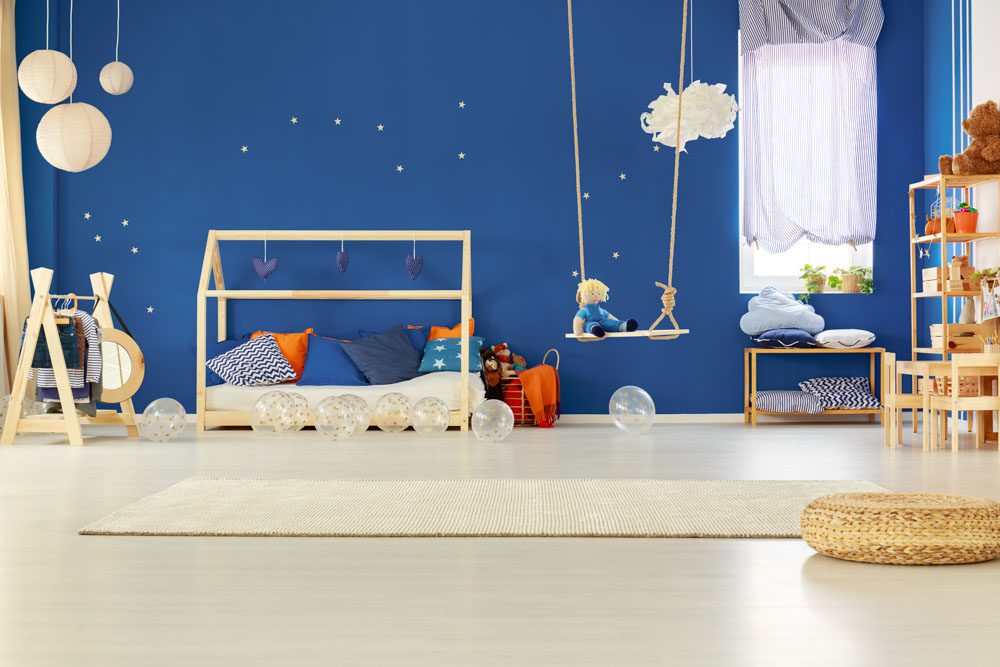
Blue for babies is among the most popular colours to choose for the nursery. If you’re the parent of a girl or boy who adores the concept of having a bedroom with blue walls go for a dark and more vivid colour of blue. We guarantee that your child will enjoy the room. This bedroom’s principal wall of cerulean blue and subtle white highlights for the ceiling, and wardrobes and a study area make this room both entertaining as well as trendy.
Yellow And Magenta
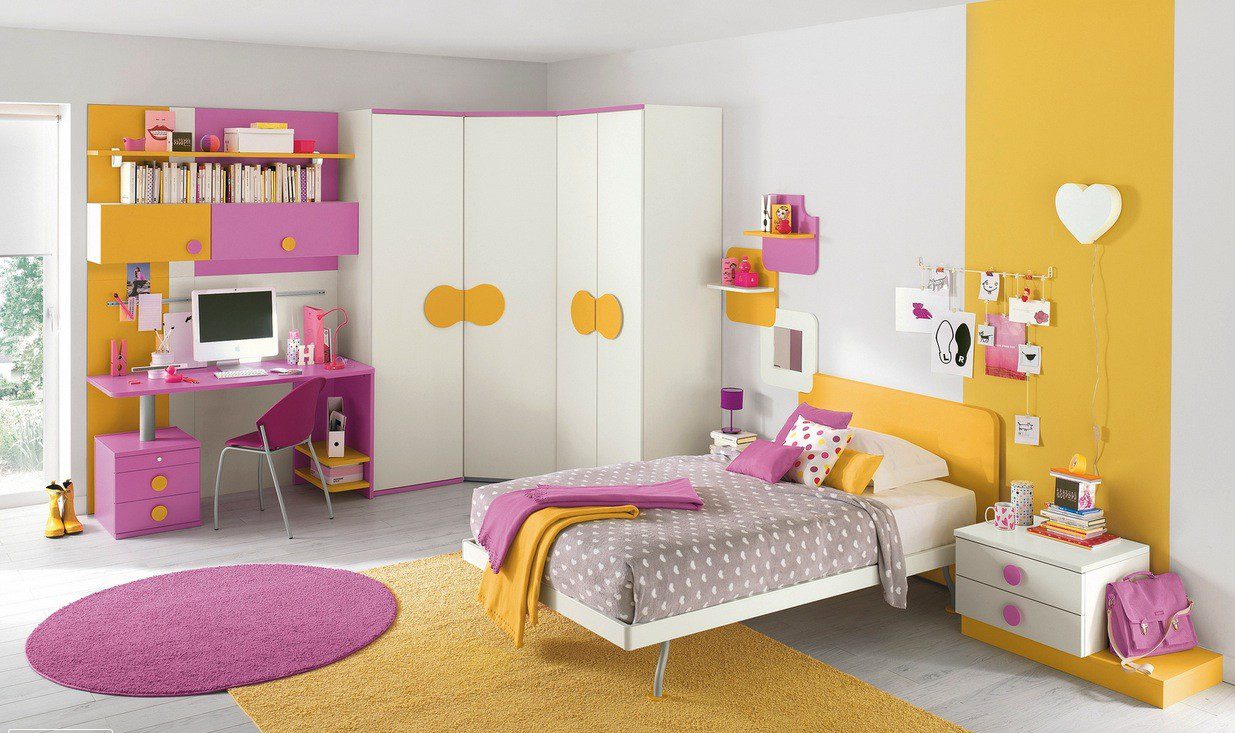
Paint in the yellow hue is a great option for the bedroom of a child. The combination of colours keeps rooms active and lively. Bright yellow colours like those depicted in this image of a bedroom keeps your child’s attention on their studies and magenta can add an abundance of enjoyment! This is also a great colour for the bedroom of a girl.
Beige And Dark Grey
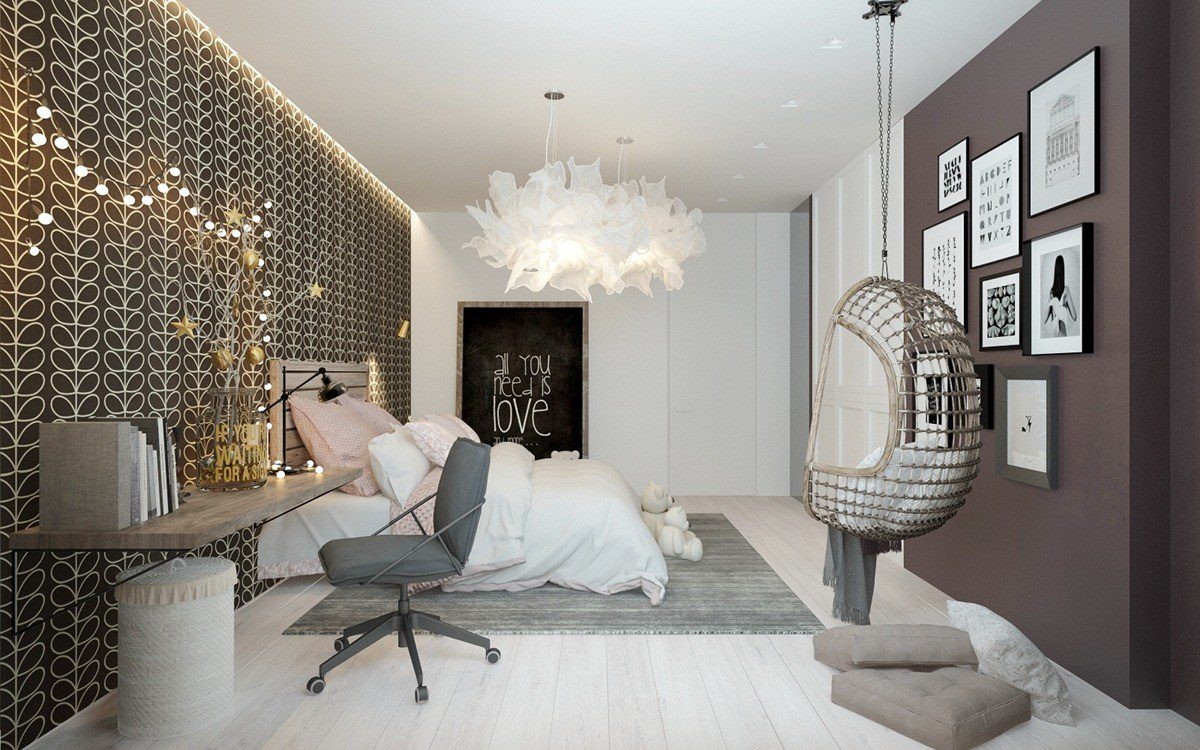
The colour that is sure to see your children grow up is beige. It is a timeless colour that can serve as a basis, giving you plenty of space, literally, to explore the possibilities of decor and furniture pieces that could be rotated frequently as your children begin to explore different aspects of what they like. In this playful bedroom set-up, this timeless beige hue is set against white and grey, with some hints which bring the bedroom in harmony.
Shades Of Blue And Light Orange
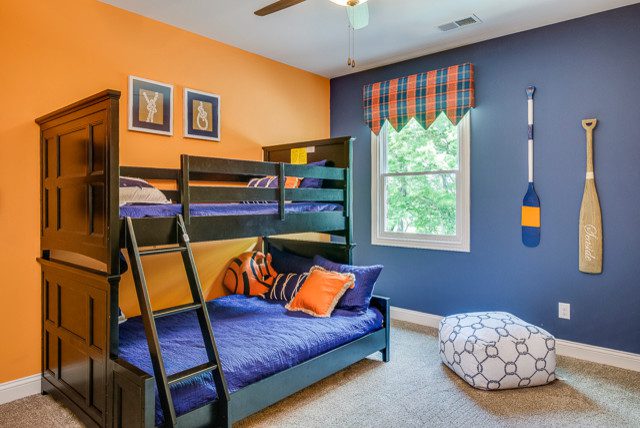
The first colour to consider is blue in bedrooms for boys, however when it’s combined with a vibrant colour such as orange, it’s a fantastic choice for girls as well. Colours like orange and blue like the one in this bedroom makes it more exciting. The beautiful shades of blue give this bedroom look for children cheerful and bright.
Lilac Purple And White
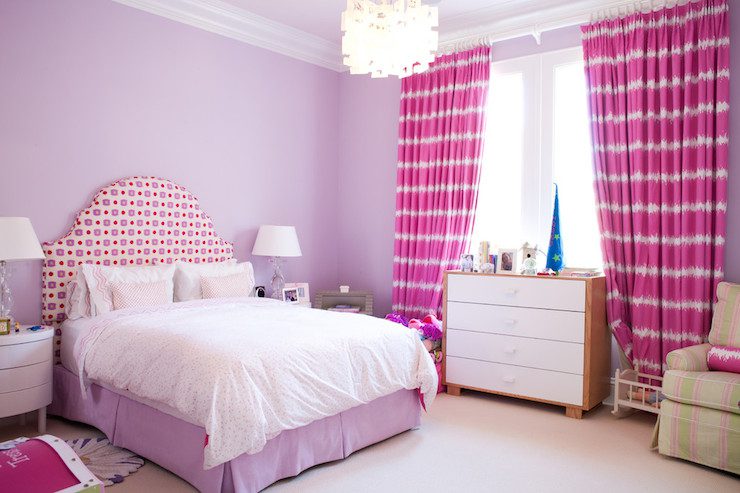
If your children are finished playing with their toys the colour lilac which is gentle on your eyes, is refined and soothing. The colour combination is likely to last for at the very least until they finish junior high school. White in the furniture and walls ensures that everything is in order.
Chalkboard Wall And White
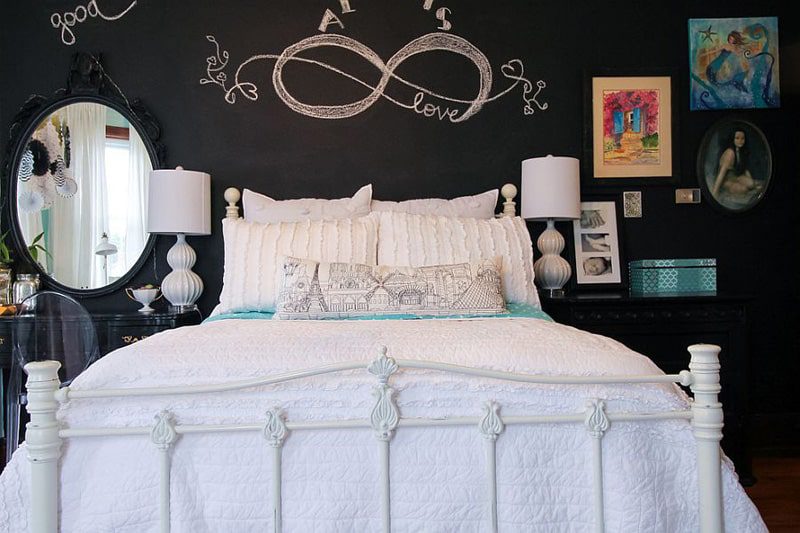
Kids enjoy doing in their leisure time. You guessed it sketching on the walls! So why not take it on? Install a chalkboard on the wall, for them to write whatever they like. In this room it is element of the wall and the rest of the wall surface in white. Chalkboards are the principal decoration element in the room in addition.
Fuchsia And Teal
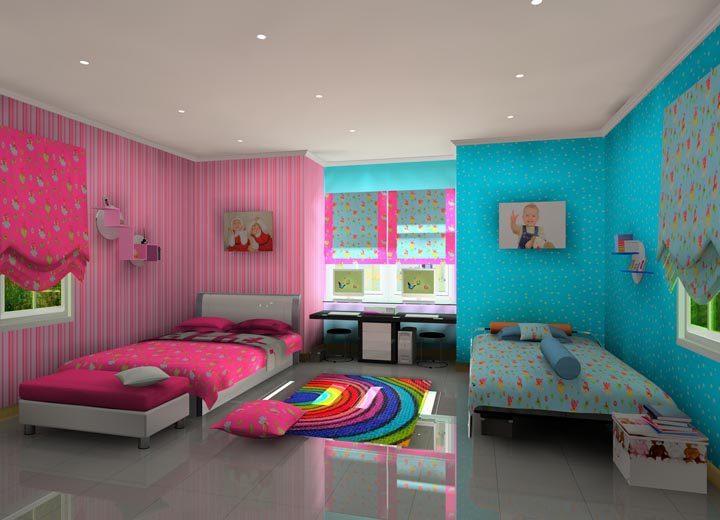
If your child is looking for to have a bedroom that is pink, go to go for a pop, durable shade such as Fuchsia. This vibrant shade of pink with a hint teal, and white walls keep the room in balance. Check out this bedroom for kids here It’s decorated with a mix of teal and fuchsia. It makes it a modern and fun space.
Light Pink And Chocolate
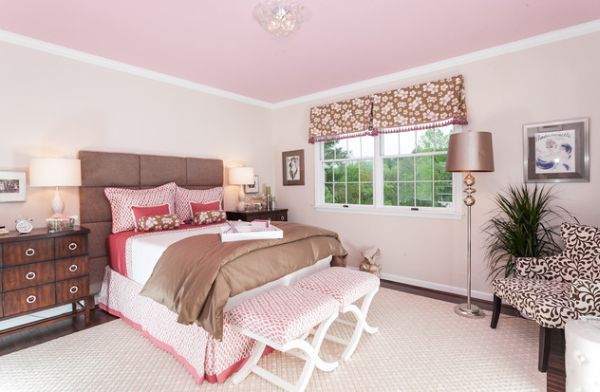
It’s an iconic colour due to reasons. Pink is a favourite colour for kids. It’s gorgeous, enjoyable and it’s timeless. In this room the two children’s favourite things are brought to life: the pink colour and chocolaty delights. Because all of the furnishings and cabinets are brown in hues which leaves little room to smudge fingerprints.
Bright Purple And Yellow
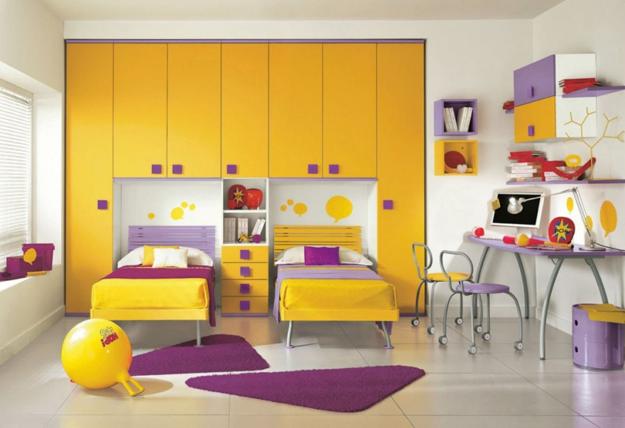
There’s a colour combo which is as cheerful as vibrant purple and yellow. Your child can wake with a room that is flooded by sunlight, and filled with vibrant flowers. Opt to choose a cheerful hue of yellow as well as a deep purple for a lively and lively kids’ room.
Conclusion
Then, there are colour combinations for bedrooms of children which will last through their years, and also your financial account as well! Comment on the form below. Are you in need of a consultation? Contact us now.
Get Free Design
FAQs
What are the best color combinations for a child’s room?
The best color combinations depend on the mood and theme you want to create. Popular options include pastel shades for a calm atmosphere, bright and bold colors for energy, or a neutral base with pops of color. Mixing two or three complementary colors can help create a balanced, visually appealing room.
How do I choose the right color scheme for a child’s room?
Consider your child’s personality, preferences, and the room’s purpose. If the room is a space for play and creativity, vibrant colors like yellow or red may be ideal. For a sleep-focused environment, soothing tones like soft blues or greens work well. Don’t forget to involve your child in the process for a more personalized touch.
Can I use dark colors in a child’s room?
Yes, dark colors like navy, deep green, or charcoal can be used, but they should be balanced with lighter tones or plenty of natural light to avoid making the room feel too heavy. Dark colors can add depth and sophistication, especially when paired with bright accents or fun patterns.
How can I incorporate multiple colors in a kids’ room without it feeling overwhelming?
The key is to choose a primary color and then use secondary colors as accents. Use neutral tones (like white, gray, or beige) as a backdrop to make the room feel open and airy. Then, add smaller pops of bolder colors through accessories like pillows, rugs, or wall art.
Are there any color schemes that promote a calm or restful atmosphere?
Yes, soft hues like light blues, lavender, pale pinks, and muted greens are known for their calming effects. These colors are ideal for creating a serene environment conducive to rest and relaxation, especially in a bedroom where your child will sleep.

About Author ramya pr
You May Also Like…

Everything You Need to Know About Living Room Decor
[social-share-display display="1731139091" force="true"]A Complete Guide to Living Room DecorYou're ready to make sure...

The Ultimate Guide to Stylish and Kid-Friendly Living Room Designs
[social-share-display display="1731139091" force="true"]The Ultimate Guide to Stylish and Kid-Friendly Living Room...
Ideas for Living Room Seating Arrangement
[social-share-display display="1731139091" force="true"]Everything You Need to Know About Living Room SeatingThe use...